


-

Add: HeBei ShengShi HongBang Cellulose Technology CO.,LTD.
-

Email
13180486930@163.com -

CONTACT US
+86 13180486930
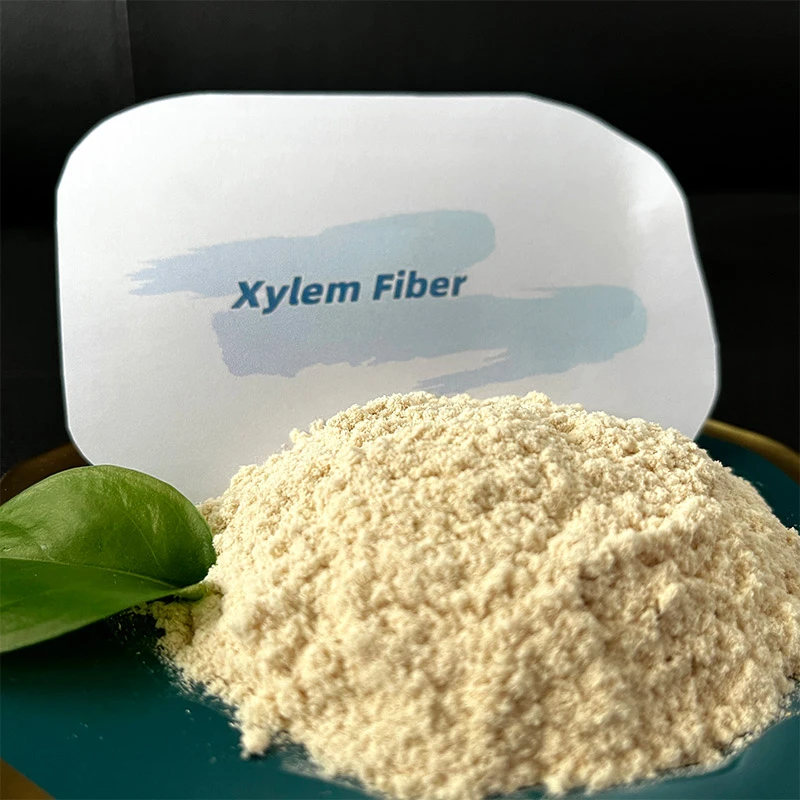


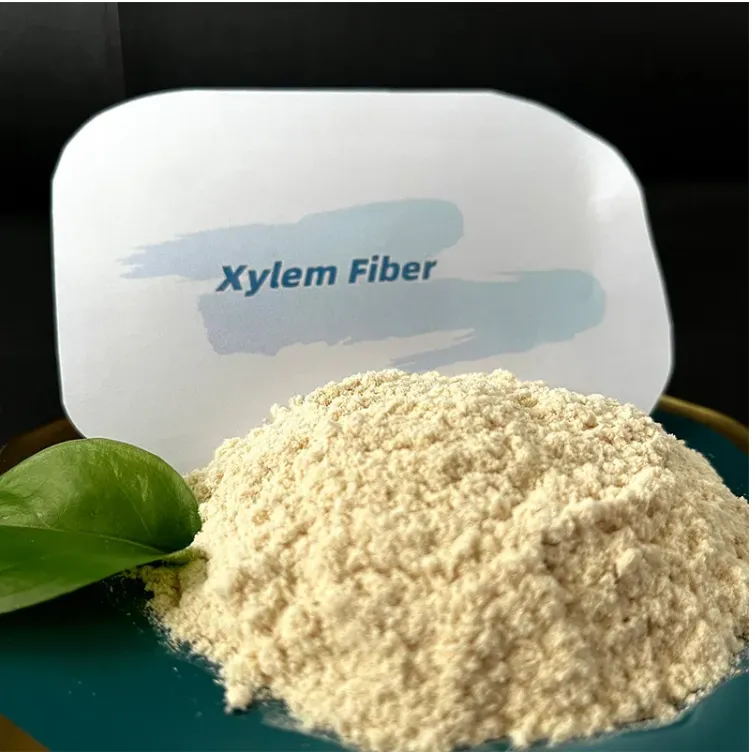
Xylem fiber , a naturally occurring, renewable material sourced from wood, has emerged as a cornerstone in the global shift toward sustainable manufacturing. Derived from the fibrous tissues of trees, this organic flocculent material undergoes advanced chemical and mechanical treatments to enhance its properties for industrial applications. As industries increasingly prioritize environmental responsibility, wood cellulose and cellulose wood fibers like xylem fiber are redefining traditional practices in construction, road infrastructure, and beyond. This article explores the unique features, technical specifications, and real-world applications of xylem fiber, while highlighting the role of HeBei ShengShi HongBang Cellulose Technology CO.,LTD. , the company behind this innovative solution. Core Features of Xylem Fiber Xylem fiber is distinguished by its fibre made from wood pulp composition, which combines natural strength with biodegradability. The material is processed through cellulose extraction from wood techniques, resulting in a product that balances durability and environmental compatibility. Key features include: Eco-Friendly Composition: Xylem fiber is entirely biodegradable, reducing reliance on synthetic materials and minimizing landfill waste. High Strength-to-Weight Ratio: The fiber’s structural integrity enhances the performance of composite materials without adding excessive weight. Moisture Absorption: Its absorbent properties make it ideal for applications requiring liquid retention, such as wood cellulose sponges. Thermal Stability: Xylem fiber maintains its properties under varying temperature conditions, ensuring reliability in diverse environments. Advantages in Industrial Applications The versatility of cellulose wood fibers has led to their adoption in multiple sectors. Below are key advantages and use cases: Construction Sector Xylem fiber is a game-changer in concrete and gypsum production. By incorporating xylem fiber into concrete mixes, engineers can improve compressive strength and durability while reducing the need for traditional aggregates like sand and gravel. According to the National Institute of Standards and Technology (NIST) , sustainable materials like xylem fiber are critical for reducing the carbon footprint of construction projects. Similarly, in gypsum products, xylem fiber enhances workability and structural integrity, making it a preferred choice for drywall and insulation panels. Asphalt Industry In road construction, xylem fiber acts as a reinforcing agent , improving the resilience of asphalt. This application extends the lifespan of roads and reduces maintenance costs. The material’s ability to absorb stress and distribute load evenly makes it an ideal solution for high-traffic areas. Medium Density Fiberboard (MDF) Xylem fiber is a primary ingredient in MDF production, where it contributes to the material’s sturdiness and smooth finish. This makes it a popular choice for furniture and interior design, offering a sustainable alternative to particleboard. Household and Industrial Products The fiber’s absorbent nature is leveraged in the manufacturing of wood pulp sponges , which are biodegradable and safe for household use. Additionally, its cellulose extraction from wood properties make it suitable for packaging materials, reducing plastic dependency. Technical Specifications Table Parameter Specification Material Source Wood pulp (Xylem tissue) Cellulose Content 70-85% (varies by processing) Moisture Absorption Up to 150% of its weight Thermal Stability Resists degradation up to 200°C Biodegradability Completely biodegradable in 6-12 months Application Concrete, asphalt, MDF, sponges, packaging Company Background: HeBei ShengShi HongBang Cellulose Technology CO.,LTD. As a leader in sustainable material innovation, HeBei ShengShi HongBang Cellulose Technology CO.,LTD. has dedicated itself to advancing the use of wood cellulose and cellulose wood fibers . The company’s commitment to eco-friendly practices is reflected in its state-of-the-art processing facilities, which ensure minimal environmental impact during cellulose extraction from wood . With a focus on research and development, HeBei ShengShi HongBang has partnered with industry experts to optimize xylem fiber’s performance for global markets. The company’s products are exported to over 30 countries, with a strong presence in Asia, Europe, and North America. By aligning with international sustainability standards, HeBei ShengShi HongBang has positioned itself as a trusted supplier of renewable resources. Its transparent supply chain and adherence to quality control protocols further reinforce its reputation in the industry. Environmental and Economic Impact The adoption of xylem fiber contributes to responsible forestry practices , as the material is sourced from sustainably managed forests. According to NIST, the integration of renewable resources like xylem fiber can reduce greenhouse gas emissions by up to 40% compared to conventional materials. This aligns with global efforts to combat climate change and promote circular economies. From an economic standpoint, xylem fiber offers cost-effective solutions for manufacturers. Its ability to replace expensive synthetic additives while maintaining product quality makes it a viable option for businesses seeking to reduce costs without compromising performance. Additionally, the material’s biodegradability reduces waste management expenses, further enhancing its appeal. Future Prospects and Innovations As industries continue to prioritize sustainability, the potential of xylem fiber is expected to expand. Researchers are exploring advanced applications, such as biodegradable plastics and composite materials for aerospace and automotive sectors. HeBei ShengShi HongBang is actively involved in these developments, investing in R&D to unlock new possibilities for cellulose wood fibers . The company also emphasizes eco-friendly packaging solutions, which are gaining traction in response to growing consumer demand for sustainable products. By leveraging xylem fiber’s unique properties, HeBei ShengShi HongBang is poised to lead the next wave of innovation in green technology. Conclusion Xylem fiber represents a paradigm shift in material science, offering a sustainable alternative to traditional resources. Its multifunctional properties, combined with the expertise of HeBei ShengShi HongBang Cellulose Technology CO.,LTD. , make it a vital component in the transition toward eco-conscious manufacturing. As industries embrace renewable materials, xylem fiber will continue to play a pivotal role in shaping a greener future.
- 40000tons

Production
- 20+years

Experience
- 5000+㎡

Acreage

-

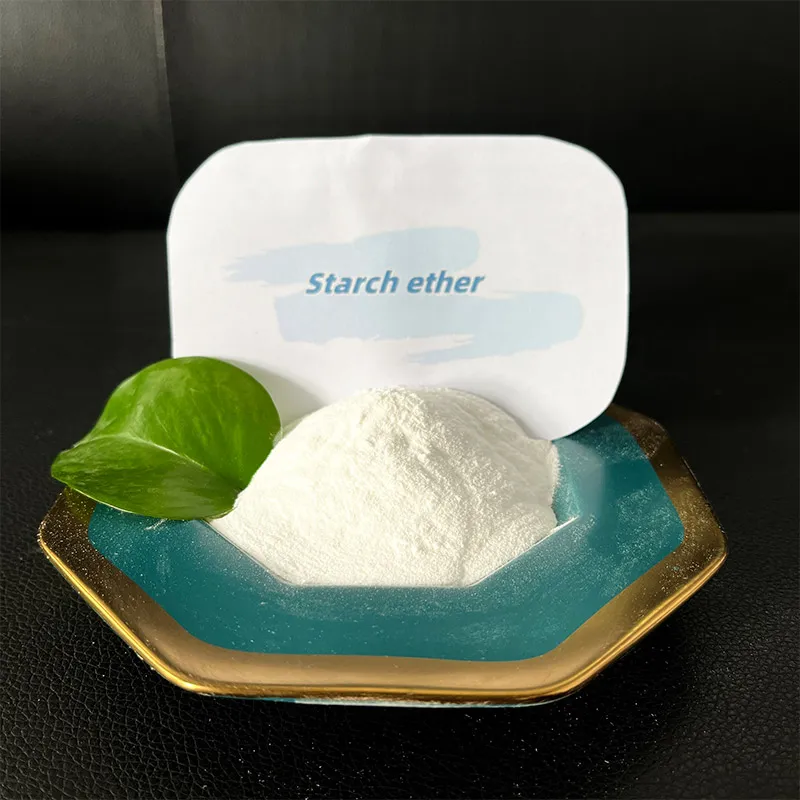
The Role of Modified Starch in Food and Industrial Applications Modified starch has become a significant ingredient in both the food industry and various industrial applications. With its versatility and functional properties, modified starch plays a crucial role in enhancing the texture, stability, and overall quality of products. This article explores the types, benefits, and applications of modified starch, highlighting its importance in modern production processes. What is Modified Starch? Modified starch refers to starch that has been physically, enzymatically, or chemically altered to enhance its properties and functionality. Common sources of starch include corn, wheat, potato, and tapioca. The modification process aims to improve characteristics such as solubility, viscosity, and stability under varying pH levels and temperatures. There are several methods to modify starch, including 1. Physical Modification This involves processes like heating, cooling, or extrusion. These processes can alter the starch structure without the use of chemicals. 2. Enzymatic Modification Enzymes are used to change the structure of starch, improving its functionality while maintaining its natural characteristics. 3. Chemical Modification This method uses acids, alkalis, or other chemicals to create new derivatives of starch, resulting in specific properties that are beneficial for targeted applications. Benefits of Modified Starch The modification of starch provides several benefits, including 1. Improved Solubility Modified starch can dissolve easily in cold water, making it ideal for instant foods and sauces, where quick preparation is essential. the modified starch 2. Enhanced Thickening Properties Modified starch can create stable gels and emulsions, providing desirable textures in products like puddings, dressings, and gravies. 3. Increased Stability It helps stabilize products against changes in temperature and pH, essential for products that need to withstand processing conditions or extended shelf life. 4. Better Freeze-Thaw Stability Modified starch prevents texture changes in frozen products, ensuring a consistent quality when thawed. This stability is crucial for frozen foods, dairy products, and sauces. Applications of Modified Starch 1. Food Industry Modified starches are widely used in the food sector for thickening, stabilizing, and gelling. They find applications in - Dairy Products Modified starch helps in maintaining texture and stability in yogurt, ice cream, and cheese products. - Bakery Goods It enhances moisture retention and improves the shelf life of bread and cakes, providing a desirable texture. - Sauces and Dressings Provides a smooth and stable consistency while preventing separation. 2. Industrial Applications Beyond the food industry, modified starch has significant applications in other sectors, including - Paper and Textile Industries Utilized as a binding agent, it enhances the strength and quality of paper products and fabrics. - Pharmaceuticals Modified starch serves as a filler or binder in tablets and capsules, playing a vital role in drug formulation. - Cosmetics It is used in various cosmetic products as a thickener and stabilizer, improving the texture of creams and lotions. Conclusion Modified starch is an invaluable ingredient that enhances the quality and functionality of a wide range of products. From the food industry to pharmaceuticals and textiles, its versatility makes it a preferred choice for manufacturers aiming to improve their product offerings. As technology advances and consumer demands evolve, the development of new modified starches will likely continue, ensuring that this ingredient remains at the forefront of innovation in both food and industrial applications. With its myriad benefits, modified starch is poised to play a vital role in sustainable and high-quality production processes for years to come.
-
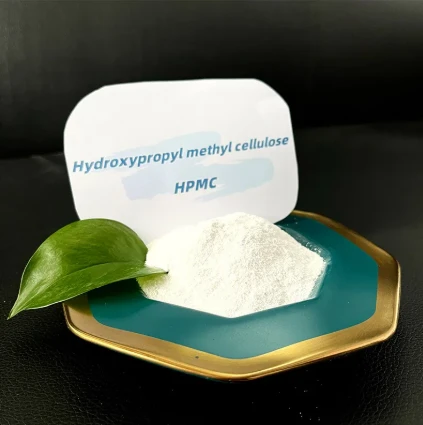
For companies in the pharmaceutical, construction, and food industries, a dependable source of Hydroxypropyl Methylcellulose (HPMC) is crucial. HPMC, a versatile polymer, serves as a key ingredient in many industrial applications. Decoding the journey of becoming an adept HPMC buyer opens numerous opportunities, yet it requires profound understanding and vigilance. The landscape of HPMC suppliers can be complex, with variations in quality and production standards. Establishing relationships with reputable suppliers should be a priority for any company. Firstly, it's essential to evaluate the supplier's consistency in delivering high-grade HPMC. A qualified supplier not only provides certifications but also abides by the regulations of international standards such as ISO. This indicates their commitment to maintaining quality, thereby building trust. Discerning HPMC buyers often start with thorough research. Resources such as industry journals and digital platforms can offer insights into different grades and types of HPMC available. It is beneficial to compare technical specifications across suppliers to understand the best fit for your application's needs. Additionally, reaching out to industry professionals for endorsements can enhance supplier credibility, bolstering confidence in your selection. In terms of expertise, having a seasoned purchasing team is pivotal. A team well-versed in HPMC's properties and applications can identify the right type of product required for specific processes—whether it’s for its thickening, emulsifying, or binding properties. Regular training workshops and exposure to new industry developments are instrumental in maintaining cutting-edge knowledge and expertise. Experience in handling HPMC procurement involves a strategic balance between demand forecasting and supply chain management. Successful buyers invest in robust supply chain systems that allow precise demand anticipation, ensuring that production isn’t stalled by unexpected shortages. These systems can also facilitate smooth communication channels between suppliers and buyers, essential for navigating market fluctuations. Another aspect critical to being an authoritative HPMC buyer is sustainability. Engaging with suppliers that prioritize environmentally friendly production processes not only helps in meeting corporate social responsibility goals but also resonates with today’s environmentally-conscious consumers. Opt for suppliers who demonstrate transparency in their supply chains, thus allowing for traceability, which is a growing demand in global markets. hpmc buyer The decision-making process extends beyond just the product . Negotiate contracts with clear terms regarding delivery schedules, return policies, and contingencies for delays or defects. An authoritative buyer will ensure these contracts also include clauses for scalability as needs evolve, providing flexibility for future growth. Building a trustworthy reputation in HPMC procurement also involves leveraging technology. Investing in digital procurement tools can streamline operations, reduce errors, and improve analytics, offering insights that shape informed decision-making. Additionally, these tools provide real-time updates, enhancing the buyer’s ability to adapt promptly to market changes or unforeseen circumstances. Ensuring reliability also pertains to post-purchasing services. Engage suppliers who offer comprehensive support, including technical advice, troubleshooting, and training to maximize the product’s utility. Establishing such partnerships allows for continuous improvement and innovation in resource utilization. Security is another indispensable element. Protect your enterprise by using secure systems for financial transactions and supplier communication, shielding it from cyber threats. Strong data protection protocols enhance trust within the buyer-supplier relationship and safeguard corporate interests. Ultimately, the quest to become a distinguished HPMC buyer is ongoing. Continuous market analysis, investment in expertise, and embracing technological advancements are key strategies for sustaining authority and trustworthiness in the field. As industries evolve, so should your procurement strategies, ensuring that not only does the product meet technical specifications but also aligns with broader business goals and aspirations. The journey of an HPMC buyer transcends beyond purchase—it encapsulates a commitment to quality, sustainability, and strategic growth.
advantages
-

200000 Viscosities
Excellent product
We can produce pure products up to 200,000 viscosities
-

40000 tons
High yield
We don’t stop production all year round, and the annual output can reach 40,000 tons
-

24 hours
Quality service
We provide 24-hours online reception service, welcome to consult at any time
———— Inquiry Form
Schedule A services
-
 five_types_of_synthetic_fibres
Oct . 25, 2025
Hydroxypropyl methylcellulose (HPMC) is a multi-functional polymer that garners extensive attention -
 methylcellulose_used_in_pharmaceuticals
Oct . 25, 2025
Hydroxymethyl cellulose , often encountered in its more prevalent derivative form hydroxypropyl meth -
 hydroxypropyl_methylcellulose_sa_mga_pampaganda
Oct . 25, 2025
Polypropylene fiber, often referred to as PP fiber, is revolutionizing a multitude of industries wit


